



Learn from real creators how to build authentic, high-performing partnerships that drive measurable results
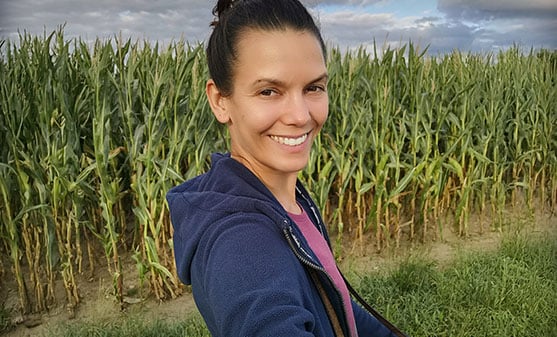
Influence. It’s at the heart of ag marketing. Success happens when a carefully crafted story reaches the exact audience it was designed for and achieves the intended results: a trifecta of content, targeting and impact.
When it comes to changing hearts and minds, achieving this alignment can be challenging on a macro level. Mass market messaging might reach many, but impact few. And tailoring messaging to niche audiences and then reaching them on a national scale is cost-prohibitive for most ag brands. That’s why when it comes to social influence, micro may be the new macro.
Why Micro-Influencers Drive Better Results in Agriculture Marketing
Micro-influencers are creators with between 1,000 and 100,000 followers. They deliver higher engagement rates and audience trust than creators with larger communities. Chief Marketing Officer Alliance reports micro-influencers have a 6% engagement rate on Instagram, compared to the 1.97% of macro-influencers with millions of followers.
That's why the “bigger is better” strategy of the past is making way for the targeted, niche approach of micro influence. We have seen this strategy prove very successful through our three-year (and counting) micro-influencer campaign with the Indiana Soybean Alliance and Indiana Corn Marketing Council.
To build awareness of farmer sustainability efforts, we partnered with micro‑influencers to reach 18–50‑year‑old Indiana residents, connecting on shared values through engaging content. In 2025, our third year of the campaign, we exceeded our engagement goal by 37%, underscoring how the right hyperlocal voices can move the needle.
To help ag marketers understand how to get more from these partnerships, we interviewed four recent micro‑influencer partners and blended their responses below. Their feedback surfaced eight themes every brand should know.
Lesson #1: Trust is the real currency in ag influencer partnerships
We asked our micro-influencers what they wish brands knew about working with them. It’s that communities are built on trust. That trust translates into meaningful engagement, brand recognition and long-term loyalty that goes beyond a single campaign.
When brands script content too tightly or over-control the message, audiences feel the disconnect and engagement drops.
What this means for ag brands:
- Guard your key messages, but leave room for the influencer’s voice
- Trust their knowledge of what feels genuine to their followers
Lesson #2: Clear communication and collaboration are best practices for ag brand partnerships
When asked what makes the best partnership a positive experience, they answered communication and collaboration.
Strong partnerships start with clear goals and a shared understanding of success, which help build collaboration. The more collaborative, the better the content performs. Micro-influencers told us they value a call to understand the business, ask questions and confirm the fit on both sides.
“Be clear and concise with expectations up front and trust the influencer's creative freedom so content isn’t overly commercialized or controlled.” Lara Pasotti, @seedoeat
What this means for ag brands:
- Be specific about objectives, deliverables, timelines and non-negotiable messages
- With that clarity, let the micro-influencer shape how those messages show up in content
Lesson #3: Look beyond views to measure real impact in influencer campaigns
We wondered what KPIs brands are missing when they request campaign metrics. The answer depends on what brands are trying to accomplish. When the goal is brand awareness, views matter. But when it comes to long-term brand impact, shares and saves can indicate deeper intent and future action. It shows they are excited enough about the content to tell a friend, or they have plans to come back to it or use the recommendation in the future.
“The real impact is when someone is at the store, recognizes a product I’ve shared, and chooses it because they now trust it. That kind of brand connection and recall can’t always be measured through analytics, but it’s where true influence lives.” Meaghan Smith, @megsescapades
What this means for ag brands:
- Align metrics with campaign goals
- For awareness track reach and views
- For long-term impact, prioritize engagement that signals recall and advocacy
Lesson #4: Authenticity is the differentiator for partnerships
The greatest value that micro-influencers bring to brand partnerships is an authentic voice.
Micro-influencers are storytellers and curators, not ad channels. They told us that being an independent and hyperlocal content creator allows them to share authentically with their audiences. They approach partnerships with intention, making sure it fits both the audience and the story they’re telling.
“Because I am selective with what brands or organizations I work with, we can usually make the content fit with my audience. It goes back to my value of authenticity and time—I don’t want to create content that isn’t natural to what I would normally be sharing or very closely aligned.” Julia Huckaba, @exploringhendrickscounty
What this means for ag brands:
- Choose partnerships whose content and values align with your brand
- If they would not naturally use your product or support your initiative, the audience will sense it
- Authenticity drives higher engagement in agricultural influencer partnerships
Lesson #5: How to find the right micro-influencers for agriculture brands
How do micro-influencers evaluate which brand partnerships to engage with? The best ones feel natural and genuine, not forced. One told us that she asks herself if it adds value for her community and only says yes when it makes sense for both her life and her audience. “I won’t partner with a brand or local business that offers something I wouldn’t naturally do.”
What this means for ag brands:
- Research potential partners thoroughly before outreach
- Share why you believe they are the right fit
- Show you understand their audience and how your story connects to it
Lesson #6: Start in DMs and move to email when reaching out to creators
Influencers appreciate a clear, personalized initial outreach. A DM with a clear message like “we would love to work with you on our campaign and would like to send you more info via email,” will get their attention. Then move to email to manage details like deliverables, timelines and creative direction.
The micro-influencers we surveyed said they appreciate it when a brand takes the time to personalize its outreach, showing that it understands the influencer’s content and community. And asking for rates tells them brands are serious and not asking for free work.
“Email is good for more information and less likely to get lost. And asking for rates tells me they are serious and not asking for free work.” Michelle Baxter, @wanderingwestfield
What this means for ag brands:
- Use DMs to make a concise introduction and ask for the best email contact
- In email, outline campaign basics, timing and the fact that you are prepared to pay for their work
Lesson #7: Balance creative freedom with brand needs
Influencers understand that brands have messaging priorities. They also know their communities and how to keep them engaged. So give them the creative flexibility to deliver your brand's message in a way that is engaging for the audience.
Being overly prescriptive or insisting on rigid rules can flatten their voice, which likely reduces performance. Remember, if an influencer has agreed to work with your brand, they think there is value for their followers. And they want the partnership to succeed as well. After all, it’s their business. Staying focused on that mindset when sharing information helps the content perform better and remain authentic.
"I always respect brand guidelines, but I know how to communicate messages in a way that feels true to my voice and audience." Meaghan Smith
What this means for ag brands:
- Provide simple guardrails: key messages, required tags or disclosures and things to avoid
- Invite ideas. Ask how they would naturally share with their audience and build from there
- Build creative briefs collaboratively rather than prescriptively
Lesson #8: Match content formats to goals
Different content formats drive different behaviors. Influencers understand what works with their audiences. For example, the influencers we spoke with told us that experience-driven content works well in the form of a reel because it is shareable and relatable.
However, don’t sleep on carousels. They can also be very beneficial and attract more views than reels in some cases.
What this means for ag brands:
- Work with influencers to align format to objectives
- Let the influencer recommend formats based on their audience data
Ready to tap into micro-influence?
Micro‑influencers offer ag brands a powerful blend of trust, relevance and reach, especially at the local and regional level. When brands respect their role as creative partners and align on goals, micro‑influencer campaigns can unlock the kind of loyalty and recall that paid media alone cannot deliver.
Want to learn more about building a successful micro‑influencer program or need help identifying the right partners to reach your strategic audiences? We are here to help. Check out our case study highlighting our recent work with micro-influencers. Or, drop us a note to get the conversation started.
Special thanks to Indiana micro‑influencers Meaghan Smith, Lara Pasotti, Julie Huckaba and Michelle Baxter (@wanderingwestfield) for contributing their insights to this piece.
